The Short Answer: Yes, But Not the Way You Think
The popular image is of a large root which functions like a crowbar against a foundation. In fact, the strength of tree roots is not sufficient to penetrate unbroken concrete. Roots tend to follow foundation walls or change direction once they encounter a wall, since a house foundation is made to withstand much greater pressure than can be applied by a root. Although root pressure can cause direct cracking of a sound poured-concrete foundation, it is not very common and requires years of vigorous growth and a stressed foundation. The bigger problem is the one that you can’t see: the tree’s impact on the soil around and under your footings.
How Trees Really Undermine Foundations: The Moisture Connection
The dominant mechanism is soil moisture. In clay-rich soil, this contraction or shrinkage of the clay, brought about by the drying of the large tree, causes downward foundation movement (subsidence) through the fine root system that pulls huge amounts of water from the ground. When the soil under one corner of your house shrinks while another stays stable, the footing settles unevenly. It is that differential movement not the root itself that cracks walls and racks door frames. The effect is seasonal, with the lowest effect during the tree transpiration peak period of dry spells in spring and summer. Equally important, it is the fluctuations between wet and dry that weaken a foundation; a constant wet state is much more tolerated than cycles of wet and dry.
The Bronx Factor: Why Local Soil and Geology Matter
Depending on what lies under your home, your home may be at risk, the Bronx is pretty much a geological hotspot. The bedrock of the borough is mostly Fordham gneiss, a very hard, approximately one billion-year-old rock named for the Fordham area that makes up ridges such as the Riverdale and the Grand Concourse. The overburden, or the material that lies over the bedrock, is in many places rather thin throughout the Bronx, with the exception of some isolated buried valleys. Shrink-Swell Risk is low where the foundation is located on or near solid gneiss or on well-drained gravelly soil.
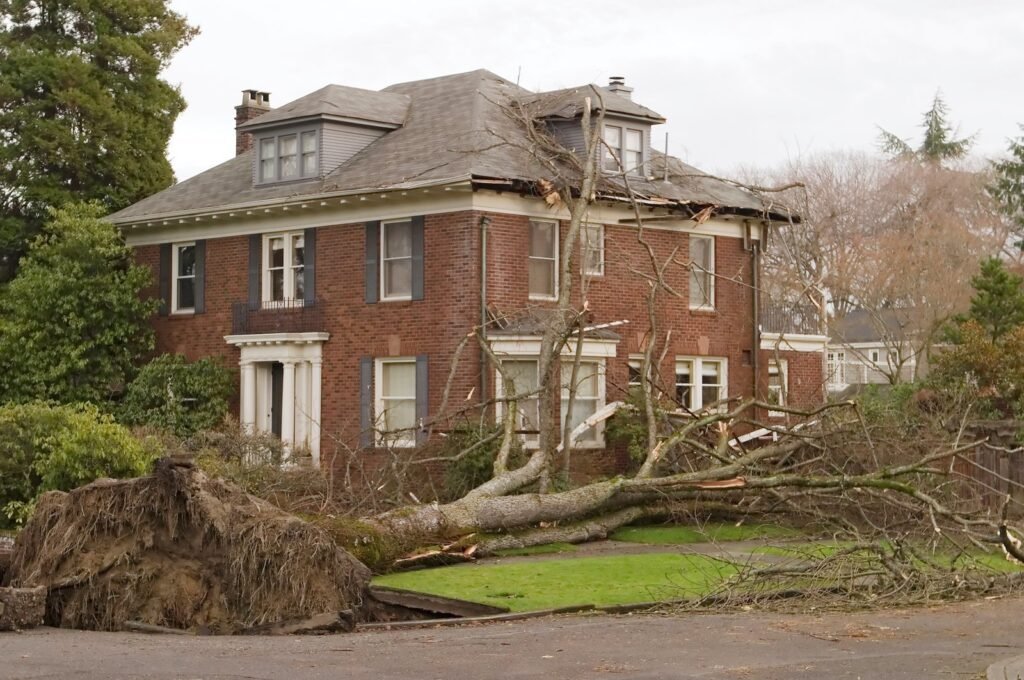
However, things are not uniform. However, the Bronx also contains large deposits of glacial till (clay to boulders) and rocky upland soils where bedrock is shallow, and clay and silt that fill in former creeks and low-lying valleys, and generations of mixed quality urban fill. Where a thirsty tree can play a true role in settlement are homes built above these expansive, moisture sensitive soils, particularly older homes with shallow foundations. The knowledge of the situation makes the difference between this not being an issue and being a problem that you can manage.
Sidewalks, Retaining Walls, and Pipes: What You’ll See First
With or without a safe foundation, roots do a lot of trouble on the surface. They easily dig up and crack sidewalks, driveways and freestanding walls, which are much more susceptible to direct root pressure than a house footing. Another popular method of entry is through cracks or loose joints in older clay or concrete pipe, where roots are attracted to the water and nutrients in the pipes, not by boring through solid pipe. After entering, they can clog drains and, in the worst scenario, lead to leakage of water that washes out soil near the foundation, thus indirectly undermining it. These are normally the first and least expensive signs of a root problem that require attention.
The Hidden Danger of Removal: Heave
Here’s the twist most homeowners don’t expect: cutting down a large tree close to the house isn’t automatically the safe choice. Just as in the case of settlement, a mature tree that has been drying the soil for years may cause heave when suddenly removed, causing a clay to slowly rehydrate and swell back up. Removing a large tree on a shrink-swell soil can be a case of one problem exchanging for another. So, if you need to remove a big tree close to your house, be sure to make a thoughtful decision preferably with professional advice – instead of a hasty response to a hairline crack. In some cases, it may be safer to stage canopy reduction rather than removing it.
Warning Signs Worth Taking Seriously
Not all cracks adjacent to trees are tree induced, nor do all trees adjacent to cracks cause damage. However, there are some trends to watch:
- Differential settlement is a classic example of diagonal cracking from the corners of a window or door with a small crack at the bottom and a larger crack at the top.
- Suddenly stuck doors and windows that will not open or close because of a change in the square of the frames.
- Openings between floors and baseboards and cracks that widen during the summer and partially close in the winter, following the moisture cycle.
- A large tree that requires a lot of water, and is located nearer to the house than its anticipated full growth.
When more than one of these are occurring at the same time, in the vicinity of an older tree, it’s time to call a certified arborist, and if the cracks appear structural, a structural engineer, for level and crack monitoring.
Which Trees and Distances Carry the Most Risk
Both species and proximity are important. Those plants that grow fast and use a lot of water, and have a broad, efficient root system present the highest shrink swell risk. A general guideline is that any tree that is large and close to the house (about the same distance as the tree’s mature height) can deplete the soil moisture sufficiently to cause problems. A small ornamental set a sensible distance away rarely threatens anything structural, while a towering hardwood a few feet from a Bronx rowhouse deserves real scrutiny.
Protecting Your Home Without Sacrificing Your Trees
Most tree and foundation problems can be treated without tree removal. Structural pruning to reduce the canopy is recommended at regular intervals to reduce the water requirements of the tree, the soil-shrinkage effect under footings and to reduce the risk of storm-limbs. Root barriers placed between tree and foundation may help to direct the tree growth downward and away from the foundation. Maintaining reasonably stable soil moisture levels reduces the extremes of wet/dry soil that can cause movement of the clay, and clearing your drains prevents pipe intrusion problems that can often be a first-step to the troubles. A professional evaluation is the wisest first step for any large tree near your home, it will let you know if you are in danger or not before you spend a dollar fixing or removing a tree.
Know Your Risk Before You Act
There are two ways that a tree can affect your foundation in The Bronx, and usually it’s by gradual soil movement caused by moisture, not by the roots pushing against the concrete, and whether it is a problem depends on the type of soil and type of foundation under your home. This is why it is the most expensive choice in either direction: removing a tree that did not need removal or removing a tree that does need removal. When Bronx homeowners need to know if tree cutting is necessary, Fordham Tree Cutting Services can differentiate with expert tree assessment, structural pruning, root management and safe removals when they are truly warranted. Before small cracks escalate into costly ones, contact a professional to evaluate the tree if it is growing near your home.